A digital marketing funnel is the system that turns website visitors into leads and eventually into paying customers. Many businesses invest in ads, SEO, and social media but still struggle to convert traffic into real clients. The reason is simple. Without a clear funnel, potential customers often leave without taking the next step.
For service-based business owners, this often means wasted marketing budgets and missed opportunities. A well-structured digital marketing funnel guides potential clients from their first interaction with your brand to the moment they decide to work with you.
In this guide, you will learn how to build a lead funnel that actually converts. We will explore the stages of a digital marketing funnel, how top-of-funnel content attracts the right audience, the importance of email lead magnets, and how lead nurture and remarketing strategies help turn leads into paying clients.
What Is a Digital Marketing Funnel?
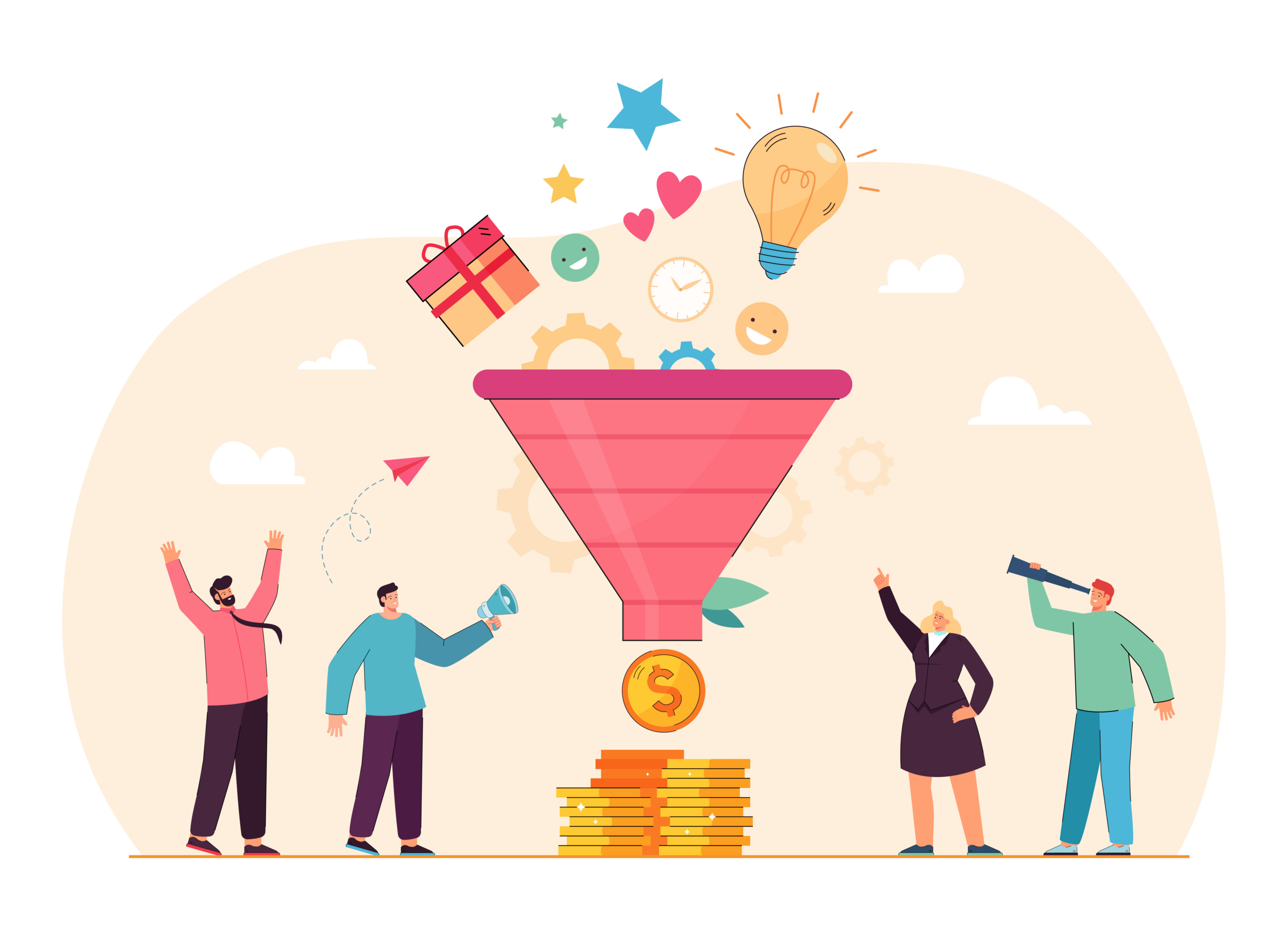
A digital marketing funnel represents the journey potential customers take from discovering your business online to becoming a paying client.
It is called a funnel because a large number of people enter at the top, but only a smaller group reaches the final conversion stage.
The funnel usually includes four stages:
- Awareness
- Interest
- Consideration
- Conversion
Each stage requires different types of content and marketing strategies.
For example, someone discovering your brand for the first time needs educational information. Someone closer to making a decision may want proof of results, testimonials, or a consultation.
A well-designed digital marketing funnel ensures that each stage moves prospects closer to becoming customers.
Why Service Businesses Need a Lead Funnel
Service businesses depend heavily on trust and credibility. Most customers do not hire a service provider immediately after discovering them online.
Instead, they research options, read reviews, and compare providers.
A structured funnel helps businesses:
- Capture leads earlier in the buying journey
- Educate prospects about services and solutions
- Build trust through consistent communication
- Increase conversion rates over time
Without a funnel, businesses often rely on random traffic and hope that visitors contact them. A digital marketing funnel replaces guesswork with a predictable system for generating leads.
The 4 Stages of a High-Converting Digital Marketing Funnel
Every successful digital marketing funnel follows a structured path that gradually moves prospects toward a purchase decision.
Stage 1: Awareness With Top-of-Funnel Content
The awareness stage is when potential customers first discover your business. At this stage, they may not even realize they need your service yet.
This is where top-of-funnel content becomes extremely valuable.
Examples include:
- Educational blog articles
- Social media posts
- Industry guides
- Short videos explaining common problems
The goal of top-of-funnel content is not to sell immediately. Instead, it helps people understand their problem and positions your business as a helpful resource.
For example, a company offering website development brisbane services might publish helpful articles about improving website performance or increasing online conversions.
Educational content builds trust and attracts people who are actively searching for solutions.
Stage 2: Lead Capture With Email Lead Magnets
Once someone visits your website, the next goal is to convert them into a lead.
This is where email lead magnets play a major role.
A lead magnet is a valuable resource offered in exchange for a visitor’s contact information.
Common examples include:
- Free marketing guides
- Business checklists
- Downloadable templates
- Strategy reports
- Free consultations
A strong lead magnet solves a specific problem for your audience. When people see immediate value, they are far more likely to subscribe.
Email lead magnets turn anonymous website visitors into identifiable leads that you can nurture over time.
Stage 3: Consideration Through Lead Nurture
After capturing a lead, the next stage focuses on building trust and helping prospects evaluate their options.
This process is known as lead nurture.
Lead nurturing involves sending helpful information that keeps your brand top of mind while educating potential customers.
Effective lead nurture strategies may include:
- Educational email sequences
- Industry insights and tips
- Client success stories
- Case studies
- Invitations to consultations
By providing ongoing value, your digital marketing funnel gradually moves prospects closer to making a decision.
Stage 4: Conversion and Remarketing
Even interested prospects sometimes leave your website without taking action. This is common in online marketing.
This is where remarketing becomes powerful.
Remarketing allows businesses to show targeted ads to people who previously visited their website or interacted with their content.
For example:
- Someone who visited a service page might see an ad offering a consultation.
- Someone who downloaded a guide might see an ad featuring a case study.
Remarketing helps reconnect with interested prospects and encourages them to return and complete the conversion.
Key Components of a Successful Lead Funnel
A digital marketing funnel only works when several key components support the system.
A Conversion-Optimized Website
Your website plays a central role in your funnel. It should clearly communicate your services, value, and expertise.
Important elements include:
- Clear calls to action
- Lead capture forms
- Dedicated landing pages
- Mobile-friendly design
- Fast loading speed
Businesses focusing on website development brisbane often prioritize these features to improve lead generation and user experience.
Strategic Traffic Sources
Traffic is essential for every digital marketing funnel.
Businesses typically combine several channels to attract visitors, including:
- Search engine optimization
- Paid advertising
- Social media marketing
- Content marketing
For example, ppc brisbane campaigns can generate targeted traffic quickly while SEO strategies build long-term visibility.
Automation and Email Marketing
Automation helps businesses manage leads efficiently.
Email marketing tools allow companies to:
- Deliver lead magnets automatically
- Send nurture sequences
- Segment audiences
- Track engagement and conversions
Automation ensures that every lead continues moving through the funnel without requiring constant manual work.
How to Build a Digital Marketing Funnel Step-by-Step
Creating a high-performing digital marketing funnel becomes easier when broken down into manageable steps.
Step 1: Define Your Ideal Customer
Start by identifying your ideal client.
Consider questions like:
- Who benefits most from your services?
- What challenges do they face?
- What solutions are they searching for online?
Understanding your audience ensures that your funnel attracts the right people.
Step 2: Create Valuable Top-of-Funnel Content
Content marketing is one of the most effective ways to attract prospects.
Create top-of-funnel content that answers common questions your audience searches for online.
Businesses specializing in social media marketing brisbane often publish educational content that teaches businesses how to improve their online presence.
This type of content attracts the right audience while building credibility.
Step 3: Design Email Lead Magnets That Convert
Lead magnets should offer practical value and solve a specific problem.
Examples include:
- Marketing strategy templates
- Digital marketing checklists
- Website performance guides
Well-designed email lead magnets significantly increase the number of leads entering your digital marketing funnel.
Step 4: Build Automated Lead Nurture Sequences
After collecting leads, create a series of emails that guide prospects toward a purchase decision.
A typical nurture sequence may include:
- Welcome email and resource delivery
- Educational content related to the guide
- A case study showing results
- Invitation to schedule a consultation
These emails gradually build trust and confidence.
Step 5: Use Remarketing to Recover Lost Leads
Not every visitor converts immediately.
Remarketing campaigns allow businesses to reconnect with people who previously showed interest.
These ads remind potential clients about your services and encourage them to return.
Remarketing is one of the most effective ways to increase conversions in a digital marketing funnel.
Common Lead Funnel Mistakes Businesses Make
Even businesses with strong marketing strategies can make mistakes that reduce funnel performance.
Driving Traffic Without a Funnel
Many companies invest in ads or SEO but fail to capture leads.
Without a funnel structure, visitors simply leave the website without taking action.
Ignoring Lead Nurture
Capturing an email address is only the beginning.
Without lead nurture, potential clients may forget about your brand or choose a competitor.
Weak Offers or Lead Magnets
Lead magnets that provide little value rarely convert visitors into subscribers.
Strong email lead magnets should solve real problems and provide immediate benefits.
How Local Businesses Can Use Funnels to Generate Leads
Local businesses can achieve strong results with structured funnels.
Integrating PPC Advertising
Paid advertising is a powerful way to bring high-intent traffic into a digital marketing funnel.
Businesses offering ppc brisbane services often create landing pages designed specifically to capture leads quickly.
Leveraging Social Media Marketing
Social platforms are excellent channels for attracting and engaging potential customers.
Companies focusing on social media marketing brisbane frequently use educational content and promotional campaigns to drive traffic to their funnels.
Optimizing Your Website for Conversions
A well-designed website supports every stage of the funnel.
Businesses investing in website development brisbane typically improve elements like landing pages, navigation, and user experience to increase conversions.
Tools That Help Build High-Converting Funnels
Several tools can simplify the process of building and managing a digital marketing funnel.
Popular categories include:
- CRM systems for managing leads
- Email marketing platforms for automation
- Landing page builders
- Analytics tools for tracking performance
Monitoring metrics such as conversion rates and engagement helps businesses continuously improve funnel results.
Why Your Business Needs a Strategic Funnel Today
The online marketplace continues to become more competitive every year.
Simply having a website or running ads is no longer enough to generate consistent leads.
Businesses that succeed online use structured systems that guide prospects from discovery to purchase.
A well-designed digital marketing funnel ensures that every marketing effort contributes to long-term growth.
It creates a predictable process for attracting, nurturing, and converting leads into loyal customers.
Conclusion
A successful digital marketing funnel turns casual website visitors into qualified leads and paying clients. By combining top-of-funnel content, effective email lead magnets, consistent lead nurture, and strategic remarketing, service businesses can build a powerful system that generates steady growth.
Instead of relying on unpredictable marketing campaigns, a structured funnel guides prospects through every stage of the customer journey. When each stage works together, businesses can increase conversions, improve marketing ROI, and build stronger relationships with potential clients.
Building a high-converting funnel takes planning, the right strategy, and continuous optimization. Businesses that invest in the right digital marketing approach position themselves for long-term success.
FAQs
1. What is a digital marketing funnel?
A digital marketing funnel is a structured process that guides potential customers from discovering your business to becoming paying clients. It typically includes stages such as awareness, interest, consideration, and conversion. Each stage uses different marketing strategies to attract, educate, and convert prospects into loyal customers.
2. Why is a digital marketing funnel important for service businesses?
Service businesses rely on trust and long decision-making processes. A digital marketing funnel helps capture leads early, nurture them with helpful information, and gradually move them toward a purchase decision. This structured approach improves conversion rates and helps businesses generate more predictable leads.
3. What is top-of-funnel content in a digital marketing funnel?
Top-of-funnel content is educational content designed to attract potential customers who are just beginning to research a problem. Examples include blog posts, social media content, guides, and videos. This type of content builds awareness and introduces potential clients to your brand.
4. How do email lead magnets help generate leads?
Email lead magnets are valuable resources offered in exchange for a visitor’s contact information. Examples include downloadable guides, templates, checklists, or free consultations. They help convert website visitors into leads who can then be nurtured through email marketing and other communication strategies.
5. How does remarketing improve conversions in a digital marketing funnel?
Remarketing allows businesses to reconnect with visitors who previously interacted with their website or content. By showing targeted ads to these users, businesses can remind them about their services and encourage them to return and complete a desired action, such as booking a consultation or making a purchase.